How Music Helps Preschoolers Build Daily Healthy Habits
Updated: Jun 26

Some mornings in our house feel like a tiny obstacle course. Someone is looking for shoes. Someone suddenly dislikes toothpaste. Someone else is trying to explain why pyjamas should count as real clothes.
If you are raising a preschooler, you already know how small daily routines can become big moments. Brushing teeth, washing hands, sitting at the table, getting dressed, tidying toys, and settling for bed are simple tasks, but they can take a lot of patience.
A few years ago, I discovered something by accident. We were late, I was tired, and my child was refusing to brush his teeth for the third morning in a row. Instead of repeating myself again, I started singing a silly toothbrush song. It was not perfect. It was not planned. But it worked. He stopped arguing, picked up the toothbrush, and joined in.
That moment stayed with me because it showed me something important: preschoolers often respond better to rhythm, repetition, and play than to repeated instructions.
As a mother of three, a BSc Health and Social Care graduate, and the founder of Kids Songs Learning Hub, I have seen how music can make everyday routines feel calmer, clearer, and more enjoyable. Songs do not magically remove every challenge, but they can help children know what comes next, feel more involved, and practise healthy habits in a playful way.
This article shares parent-friendly ways to use music for preschool routines such as brushing teeth, washing hands, clean-up time, mealtimes, transitions, and bedtime. It is based on my own parenting experience, my health and social care background, and trusted child development guidance. If you are worried about your child’s health, behaviour, development, sleep, eating, or daily routines, please speak with a qualified health professional.
Why Daily Habits Can Feel Hard for Preschoolers
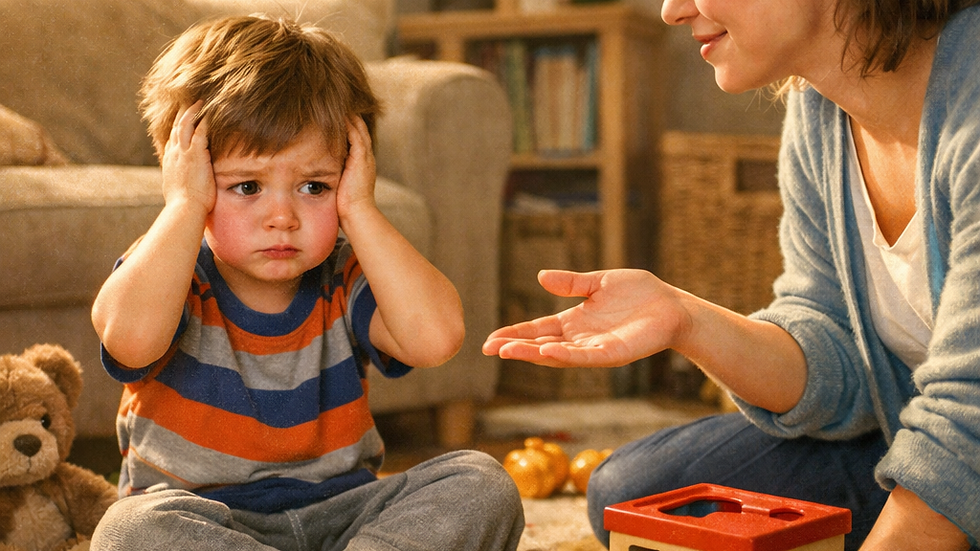
Preschoolers are not trying to make routines difficult. They are still learning how to stop one activity, listen to instructions, manage feelings, and move into the next part of the day.
A simple instruction such as “wash your hands” can involve many small steps for a young child:
Stopping what they are doing
Walking to the sink
Turning on the tap
Using soap
Rinsing properly
Drying hands
Returning to the next activity
That is a lot for a preschooler to remember, especially when they are tired, hungry, excited, or deeply focused on play.
This is where music can help. A short song gives the routine a clear beginning, middle, and end. It also makes the task feel less like a command and more like something you are doing together.
Why Songs Stick When Words Don’t

Many children remember sung words more easily than spoken instructions. That is why alphabet songs, counting songs, clean-up songs, and handwashing songs can stay in a child’s mind long after the music stops.
Songs help because they use rhythm, repetition, simple language, and predictable patterns. Instead of hearing a long list of instructions, a child hears a short routine they can follow.
In our home, this has been especially helpful with handwashing and bedtime. When the same song is used again and again, the song becomes a cue. The child begins to understand, “This is what we do now.”
Music does not need to be complicated to work. In fact, the simplest songs are often the most useful. A short tune about brushing teeth, washing hands, putting toys away, or getting ready for bed can make the routine easier to remember and easier to repeat.
Researchers at Harvard's Centre on the Developing Child explain that rhythm and repetition help the brain organize information into predictable patterns, making it easier to store and retrieve. This is exactly what songs do they turn instructions into patterns the brain can hold onto.
When Routines Turn Into Games

To a preschooler, “clean up your toys” can feel like an interruption. But a clean-up song can turn the same task into a simple game.
Songs change the feeling of a routine. Instead of feeling controlled, children feel invited. Instead of rushing, they move with rhythm. Instead of resisting, they often become more willing to join in.
At Kids Songs Learning Hub, this is the kind of moment we care about: the moment when a daily task becomes easier because it feels playful, predictable, and shared.
Healthy Habits Music Can Support
Music can be used for many everyday preschool routines, including:
Brushing teeth
Washing hands
Getting dressed
Tidying toys
Trying new foods
Sitting at the table
Transitioning from playtime
Getting ready for bed
Calming down after busy play
You do not need a professional song. You can use a familiar tune and change the words. For example, sing a handwashing song to the tune of a nursery rhyme, or make up a simple “brush, brush, brush your teeth” song while your child brushes. You can see examples on our learning video channel here: Kids Songs Learning Hub Video Channel.
What Parent Tell Me: “My child reminds me to play the song now.” That’s not obedience; that’s ownership.
Mealtimes, Food, and Funny Songs

Mealtimes can be emotional for preschoolers, especially when new foods are involved. Some children are cautious with colour, texture, smell, or shape. A silly food song will not solve every eating challenge, but it can make mealtimes feel less tense.
For example, broccoli can become tiny trees, carrots can become crunchy rockets, and blueberries can become little moon rocks. When food is part of a playful story or song, some children feel more curious and less pressured.
Keep this gentle. Avoid forcing, bribing, or turning every bite into a battle. Music should make the moment lighter, not more stressful. If you are worried about your child’s eating, growth, allergies, choking risks, or nutrition, speak with a qualified health professional.
Research in child nutrition suggest that letting young kids experiment with unfamiliar meals makes them less afraid of them. Food isn't scary anymore when it's part of a story or a song it becomes familiar and safe. https://www.nutrition.org.uk/nutrition-for/children/
Transitions Are Where Songs Shine the Most

Many preschool meltdowns happen during transitions. Playtime ends. Bath time begins. Bath time ends. Pyjamas begin. Then bedtime arrives before the child feels ready.
A transition song gives the child a warning without turning the moment into an argument. Over time, the song can become a familiar cue that helps the child know what is coming next.
In our house, using the same bedtime songs helped the evening feel calmer. I did not have to keep announcing every step. The music became part of the routine, and the children began to recognise what came next.
Research from The American Academy of Paediatrics says that having regular routines can help young kids sleep better and lower their stress levels. When the second song starts in our house, shoulders droop. Voices become softer. The day lets go.
What I Have Learned from Writing Children’s Habit Songs

After creating music-based learning resources and using songs with my own children, here is what I have found most helpful:
Keep songs short
Use simple words
Repeat the same phrases
Add clear actions
Use a familiar melody
Keep the tone light and playful
Use the song at the same time each day
The best habit songs are often very simple. Adults may find them repetitive, but children often thrive on that predictability.
Songs Can Support Independence

One of the sweetest things about using habit songs is watching children begin to guide themselves. A child may say, “It’s clean-up song time,” or “I need my toothbrushing song.”
That is a small step toward independence. The adult still guides and supervises, but the child begins to understand the routine and take part more willingly.
Music can become an external cue that helps children practise internal skills such as attention, cooperation, memory, and emotional regulation.
Research from organizations such as the CDC links early self-regulation skills with later academic and emotional success. The music became the external cue that helped them develop the internal skill.
Why Music Can Works Better Than Rewards

Sticker charts and rewards can be useful for some families, but they do not work for every child or every routine. Music offers a different kind of support. It makes the habit feel familiar, connected, and enjoyable.
When a child sings while brushing teeth, washing hands, or tidying toys, the routine becomes part of the day rather than a battle to win.
Simple Ways to Start at Home
You do not need special equipment. Start with one habit and one short song.
Choose one routine, such as brushing teeth or washing hands
Choose one simple tune
Use the same song every day for two weeks
Add easy actions
Keep your tone calm and playful
Praise effort, not perfection
Stop before the routine becomes stressful
Repetition is what builds the habit, not perfect singing.
Free Printable: Preschool Healthy Habits Song Routine Chart
To make this article more useful for families, add a free printable routine chart. This printable helps children connect songs with daily habits such as brushing teeth, washing hands, getting dressed, tidying toys, mealtimes, and bedtime.
Inside the printable, include:
✓ Morning routine song chart
✓ Handwashing song tracker
✓ Toothbrushing song page
✓ Clean-up song cards
✓ Mealtime encouragement page
✓ Bedtime routine song chart
✓ My healthy habits weekly tracker
✓ Little Healthy Habits Star certificate
Helpful Related Resources
If you want more music-based routine ideas, read “How Animal Songs Build Vocabulary in Preschoolers.”
For movement and brain breaks, read “Exercise Songs for Kids: Fun Movement Songs That Get Children Moving.”
For screen-time learning support, read “Educational Music Videos for Kids: Transform Screen Time into Learning Time.”
You can also visit the Free Preschool Printables Library for routine charts, song trackers, learning activities, and preschool printables.
A Classroom Moment I’ll Never Forget
A preschool teacher once emailed me and said, “It used to take ten minutes and three reminders to clean up. Now it only takes one song.”
She sent a picture of twenty little kids dancing with toys in their hands actually enjoying clean up time.
That's when I recognised this job was important, not just for my own family, but for anyone raising or teaching young children.
Final Thoughts

Music does not argue. It does not nag. It does not embarrass. It simply says, “Let’s do this together.”
When preschoolers sing through brushing teeth, washing hands, cleaning up, or settling down for bed, they are learning more than a routine. They are learning rhythm, confidence, cooperation, memory, and self-care.
Healthy habits do not have to feel heavy. Sometimes, the first step is simply one small song repeated with love.
About the Author
Janerine Watson is the founder of Kids Songs Learning Hub, a mother of three, and a BSc Health and Social Care graduate. She creates music-based learning resources, children’s songs, printable activities, and parent-friendly guides that help toddlers and preschoolers learn through rhythm, repetition, movement, routines, and play. Through parenting and her background in health and social care, Janerine shares practical ways families can make daily routines calmer, more playful, and easier to repeat.
Educational and Health Disclaimer
This article is for educational, family learning, and informational purposes only. It is not a substitute for medical, psychological, nutritional, developmental, or therapeutic advice. Every child develops at their own pace, and not every routine strategy will work for every family.
If you have concerns about your child’s growth, behaviour, emotional wellbeing, speech and language development, sleep, eating, hearing, sensory needs, or physical health, please speak with your child’s pediatrician, health visitor, GP, developmental specialist, registered dietitian, or another qualified professional.


Comments