How To: Create a Peaceful Bedtime Routine With Sleep Music Songs
Updated: Jul 9

I still remember what bedtime looked like in our house a few years ago. It was not peaceful. It was one more drink of water, one more story, one more question, one more burst of energy just when I thought everyone was ready to sleep.
Some nights felt like a tiny performance of chaos. My child would suddenly remember something important, ask for another cuddle, or decide that bedtime was the perfect time to become wide awake. By the time the room finally went quiet, I felt drained too.
One evening, instead of repeating myself again, I stopped talking. I sat near the bed, lowered my voice, and began humming a slow, gentle tune. It was not planned. It was not perfect. But the room changed. The fidgeting slowed. The breathing softened. The mood felt calmer.
That moment taught me something I have never forgotten: children often need help moving from the busy energy of the day into the quiet rhythm of night. Words alone do not always get them there. Sometimes, a familiar routine and a gentle song can do what another reminder cannot.

As a mother of three, a BSc Health and Social Care graduate, and the founder of Kids Songs Learning Hub, I have seen how music can support calmer family routines. Sleep music songs do not guarantee perfect bedtime, and they are not a cure for sleep difficulties, but they can help children feel safe, settled, and ready for rest when used as part of a consistent bedtime routine.
This guide will show you how to create a peaceful bedtime routine with sleep music songs using simple steps, gentle transitions, and a printable routine chart families can use at home.
Why Bedtime Routines and Sleep Music Can Work Well Together

Children often feel calmer when they know what is coming next. A predictable bedtime routine helps the evening feel less sudden and more secure. Instead of moving straight from playtime to sleep, the routine creates a gentle path from busy to calm.
Sleep music can support this because it gives children a soft sound cue. When the same calm songs are used at the same time each night, the music can become part of the bedtime signal. Over time, your child may begin to recognise, “This is our quiet time now.”
A peaceful bedtime routine does not need to be complicated. It can be as simple as:
Bath or wash
Pyjamas
Brush teeth
One calm book
A short prayer, cuddle, or goodnight phrase
Gentle sleep music
Lights low
The goal is not to force sleep. The goal is to help your child feel safe, connected, and ready to rest.
Step-by-Step: How to Create a Peaceful Bedtime Routine With Sleep Music Songs
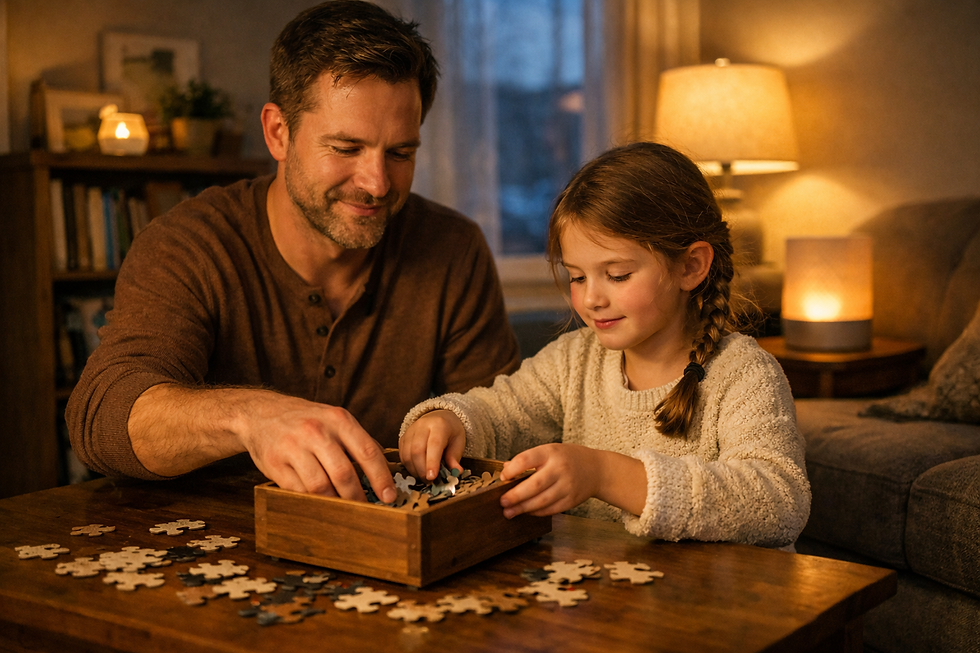
Think of this routine as a gentle, 30–45 minute slope downward, not a cliff. The goal is gradual de-escalation.
Step 1: Start the wind-down early
Begin the wind-down around 30 minutes before bedtime. Turn off screens, lower the noise in the home, and move toward quieter activities such as colouring, puzzles, books, soft blocks, or calm play.
You can say, “In a few minutes, we are going to start getting ready for bed.” This gives your child time to adjust instead of feeling rushed.
Step 2: Use the same order each night

Children do not need a perfect routine, but they do benefit from a familiar order. Try to keep the steps simple and repeat them in the same way most nights.
For example:
Wash
Pyjamas
Brush teeth
Book
Cuddle
Bedtime song
Goodnight phrase
When the order stays familiar, your child has fewer surprises to manage.
Step 3: Choose calm bedtime music

Choose music that feels soft, slow, and predictable. Gentle lullabies, quiet instrumental songs, soft nursery rhyme melodies, or calm worship-style children’s music can all work well.
Look for music with:
A slow, gentle pace
Soft instruments
No sudden loud sounds
Simple melodies
A steady volume
A peaceful feeling
Avoid music that is too exciting, too fast, or full of sudden changes, especially right before sleep.
Step 4: Keep the connection warm and simple

Bedtime is not only about sleep. It is also a connection moment. A short cuddle, a gentle prayer, a quiet story, or a calm goodnight phrase can help your child feel secure.
Try using the same phrase each night, such as:
“You are safe. You are loved. It is time to rest.”
or
“Goodnight, I love you, and I will see you in the morning.
Step 5: Let the music support the routine, not replace you
Sleep music should be part of the bedtime routine, not the whole routine. Your child still needs your calm presence, loving boundaries, and gentle consistency.
Use the music as a cue, not a battle. If your child talks, wiggles, or asks questions, stay calm and bring them back to the same quiet routine.
How to Build a Simple Sleep Music Playlist

Not every children’s song is right for bedtime. Some songs are perfect for dancing, movement, and learning, but bedtime music needs to feel slower and softer.
A good bedtime playlist might include:
One gentle wind-down song
One quiet lullaby
One soft instrumental track
One familiar calm nursery rhyme
One peaceful closing song
Keep the playlist short at first. You can always repeat it if needed. The most important thing is that the songs feel calm and familiar.
Troubleshooting Common Bedtime Challenges

“My child gets more excited when music starts.”
The music may be too fast or too playful. Try softer songs, lower the volume, and use the music only after active play has ended.
“My child keeps asking for another song.”
Choose a set number of songs before bedtime begins. You can say, “We will listen to two sleepy songs, then it is quiet time.”
My child wakes when the music stops.”
Try lowering the volume gradually or using a calm playlist that fades gently. Some families prefer short music during the routine only, while others use soft background sound for a little longer. Choose what feels safe and helpful for your family.
“We share a room.”
Keep the volume low and place the speaker where it does not disturb others. Avoid placing devices too close to your child’s head or using anything with loose cords near the bed.
Free Printable: Peaceful Bedtime Routine With Sleep Music Chart
To make this article more useful for families, add a free bedtime printable. This chart helps children follow a calm bedtime routine with simple steps and gentle music cues.
Inside the printable, include:
✓ Bedtime routine visual chart
✓ Sleep music playlist planner
✓ Brush, book, bed checklist
✓ Calm-down song cards
✓ Goodnight phrase page
✓ Weekly bedtime routine tracker
✓ My favourite sleepy songs page
✓ Little Bedtime Star certificate
Helpful Related Resources
For bedtime resistance and repeated delays, read “How to Stop Bedtime Battles Using Music.”
For gentle sleep song ideas, read “Soothing Sleep Music for Babies: Calming Bedtime Song All Night.”
For healthy daily routines, read “How Music Helps Preschoolers Build Daily Healthy Habits.”
You can also visit the Free Preschool Printables Library for routine charts, song trackers, bedtime pages, and preschool learning printables.
Frequently Asked Questions
What age can I start using bedtime music?
Many families use gentle songs from babyhood onward, but always follow safe sleep guidance for babies. For toddlers and preschoolers, bedtime music can be used as part of a calm routine with adult supervision and age-appropriate sleep habits.
Can I use sleep music as part of a baby bedtime routine?
Yes, many families use gentle lullabies, soft humming, or calm bedtime music as part of a baby’s evening routine. For babies, keep the routine simple and safe. You might dim the lights, change into night clothes, offer a feed if needed, share a quiet cuddle, sing a gentle lullaby, and place your baby down to sleep following safe sleep guidance.
For babies, always follow safe sleep advice. Place your baby on their back, use a firm and flat sleep surface, and keep the cot clear of pillows, toys, bumpers, loose blankets, and anything that could cover the baby’s face. If your baby has reflux, feeding issues, breathing concerns, ongoing sleep problems, or you are unsure what is safe, speak with your GP, health visitor, paediatrician, or another qualified health professional.
What if I cannot sing?
Your child does not need perfect singing. A soft hum, repeated phrase, gentle prayer, or quiet lullaby can still feel comforting because it comes from you.
Can bedtime music help with naps too?
Yes, some families use a shorter version of the bedtime routine before naps. Keep it simple, calm, and consistent.
Should music play all night?
Not every child needs music all night. Some families use music only during the routine. Others use a short timer. Choose a safe, gentle approach that works for your child and does not create stress for the household.
Final Thoughts
A peaceful bedtime routine does not have to look perfect. It only needs to feel calm, loving, and repeatable.
When you use the same gentle steps each night, your child begins to understand what comes next. When you add soft sleep music, the routine becomes warmer and easier to follow.
You are not failing if bedtime still feels hard sometimes. You are teaching calm, connection, and rest one evening at a time.
Tonight, try one small change. Lower the lights. Choose one soft song. Repeat the same goodnight phrase. Let the music become a gentle bridge between the busy day and peaceful sleep.

About the Author
Janerine Watson is the founder of Kids Songs Learning Hub, a mother of three, and a BSc Health and Social Care graduate. She creates music-based learning resources, children’s songs, printable activities, and parent-friendly guides that help toddlers and preschoolers learn through rhythm, repetition, movement, routines, and play. Through parenting and her background in health and social care, Janerine shares practical ways families can make daily routines calmer, more playful, and easier to repeat.
Sleep and Safety Disclaimer
This article is for educational, family learning, and informational purposes only. It is not a substitute for medical advice, sleep assessment, diagnosis, or treatment. Every child is different, and bedtime routines may need to be adapted for age, development, health needs, sensory needs, family circumstances, and safe sleep guidance.
If your child has ongoing sleep difficulties, frequent night terrors, breathing concerns, loud snoring, unusual tiredness, anxiety, developmental concerns, or any health issue affecting sleep, please speak with your child’s GP, health visitor, paediatrician, or another qualified health professional.


Comments