How to Handle Potty Training Struggles: Top Songs That Actually Help!
Updated: Jun 30

Potty training can feel like a big emotional milestone for both toddlers and parents. One minute you are celebrating a tiny success, and the next minute your child refuses to sit on the potty, asks for a nappy, or runs away just when you thought they were ready.
If you are dealing with potty resistance, accidents, fear of the toilet, or bathroom battles, you are not alone. Many toddlers need time, patience, routine, and lots of reassurance before potty training begins to feel normal.
Music can be a gentle way to make potty training feel less stressful. A simple potty song can help your child understand what comes next, feel more involved, and build confidence through repetition.
At Kids Songs Learning Hub, we focus on music-based routines that support real family moments. Potty training songs do not magically make every child ready, and they should never be used to pressure or shame a child. But they can make the bathroom routine feel more predictable, playful, and calm.
This guide shares gentle ways to use potty training songs during common struggles, including being too busy to stop, feeling nervous about the toilet, worrying about flushing, and learning to wash hands after using the potty.
Why Potty Training Can Feel Hard for Toddlers

Toddlers are learning independence, body awareness, communication, and emotional control all at the same time. Potty training asks them to notice body signals, stop what they are doing, get to the bathroom, sit still, relax, and follow several steps in order.
That is a lot for a young child. If your toddler resists, it does not always mean they are being difficult. They may be unsure, distracted, not ready, worried, tired, constipated, or simply learning at their own pace.
Music can help because songs create a familiar pattern. A short potty song can give the routine a beginning, middle, and end. Instead of hearing another instruction, your child hears a cue they can recognise.
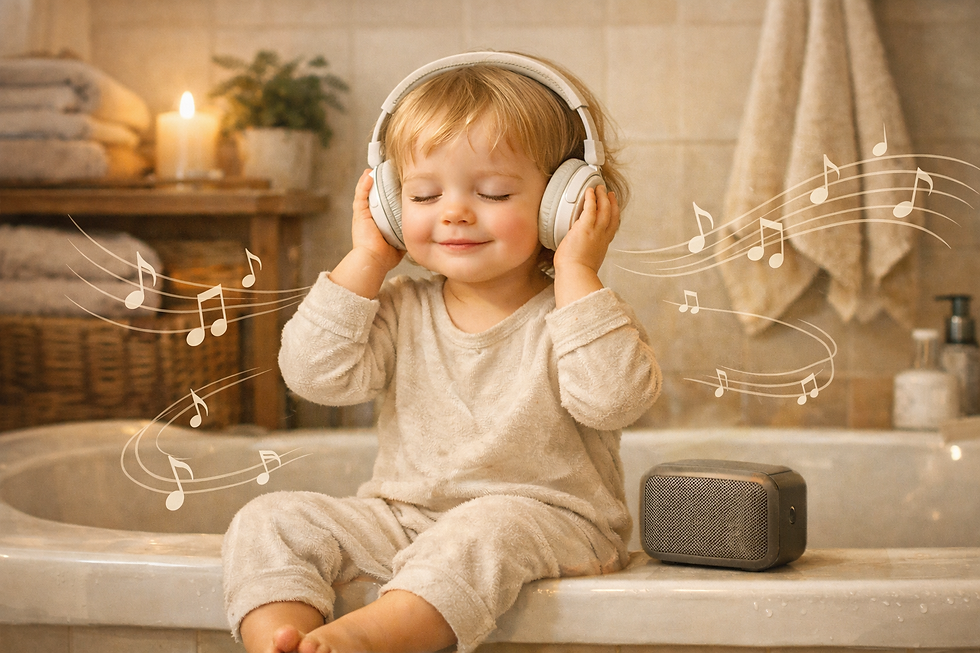
Music can support potty training by helping children:
Know when it is time to try
Pause play without feeling rushed
Remember the steps
Feel calmer in the bathroom
Build confidence through repetition
Celebrate effort without pressure
Complete the routine with handwashing
The goal is not to force success. The goal is to make potty time feel safe, predictable, and encouraging.
Potty Training Songs for Common Struggles

1. When Your Child Is Too Busy to Stop Playing

Some toddlers resist potty breaks because they do not want to leave their toys, blocks, dolls, cars, or pretend game. A short “pause and potty” song can help them understand that play will come back after the bathroom routine.
Try this gentle approach:
Choose a short potty song
Create a “toy parking spot”
Tell your child, “Your toy will wait here while we try”
Sing the same song each time
Return to the toy after the bathroom routine
This helps potty time feel like a pause, not a punishment.
2. When Your Child Is Nervous About the Toilet

Some children feel unsure about sitting on the potty or toilet. They may dislike the sound, size, seat, water, flush, or feeling of being in the bathroom.
Use a calm bathroom song before asking them to sit. Keep your voice soft, give simple choices, and let the child feel some control.
You might say:
“Would you like the potty song or the handwashing song first?”
“Would you like to sit for one short song?”
“Would you like me to stay beside you?”
If your child is very upset, pause and try again later. Potty training should not feel frightening.
3. When Your Child Is Afraid of the Flush

The flush can sound loud and sudden to toddlers. A song can help make the moment more predictable.
Try counting down gently before flushing, or let your child stand at a comfortable distance. You can sing a simple “flush and wash” song so they know what is coming next.
Never force a child to flush if they are scared. You can flush after they leave the room and slowly build confidence over time.
4. When Your Child Struggles With Poo
Some children find pooing on the potty harder than weeing. They may hold it in, ask for a nappy, hide, or become upset. This can sometimes happen when a child is constipated or has had a painful poo before.
Keep this part very gentle. Do not shame, rush, or pressure your child. A calm sitting song, a footstool, relaxed breathing, and praise for trying can help make the moment less stressful.
If your child is withholding poo, seems in pain, has ongoing constipation, or avoids pooing for more than a short time, speak with your GP, health visitor, paediatrician, or a children’s bowel and bladder professional.
5. When Your Child Forgets to Wash Hands
Potty training is not finished until hands are clean. A handwashing song helps children remember the final step. Use the same short song every time after potty practice.
You can sing:
“Wash, wash, wash your hands, bubbles all around. Rinse and dry and off we go, clean hands can be found.”
Comparison Table: Choosing the Right Song for the Moment
"This comparison is based on my experience in preschool classrooms, feedback from parents in the Kids Songs Learning Hub community, and age-appropriate developmental criteria not one-size-fits-all suggestions."
Song Title | Primary Goal | Energy Level | Best For |
Daniel Tiger | Independence | Medium | FOMO / Busy Players |
Confidence | High | Fear of the Toilet | |
Cocomelon | Routine | Low/Calm | Fear of the Toilet |
Pinkfong | Physicality | High | Bowel Movements |
Note: Every child is different. This is general guidance and may not be the right fit for every child. Adapt to your child's needs and preferences.
When Potty Training Does Not Stick: What Helped Me Stay Calm
Potty training did not look the same with all three of my children. One child needed a calm routine. One needed more independence. One responded better when we made it playful with songs and encouragement. That taught me something important: potty training is not only about age. It is also about readiness, temperament, routine, confidence, and how much pressure the child feels.
If potty training is not sticking in your home, it does not mean your child is being difficult and it does not mean you have failed. Sometimes it simply means the method needs to slow down, soften, or match your child better.
Readiness Signs to Watch For
Before pushing forward, look for signs that your child may be ready, such as:
Staying dry for longer periods
Noticing when they are wet or dirty
Showing interest in the toilet or potty
Being able to sit down and get back up safely
Understanding simple instructions
Wanting to copy older siblings or adults
Feeling uncomfortable in nappies or pull-ups
Do not worry if your child shows some signs but not all of them. Readiness can build gradually.
What I Changed When Potty Training Felt Stuck
1. I stopped watching the calendar
Instead of focusing only on age, I watched my child’s behaviour. I looked for dry periods, interest, communication, and whether they could manage simple bathroom steps.
2. I lowered the pressure
When potty training becomes a battle, many children resist more. I found that calm reminders, short tries, and gentle routines worked better than pushing.
3. I used songs to make the routine feel familiar
A simple potty song helped my children know what came next: sit, try, wipe if needed, flush, wash hands, and celebrate effort. Music made the steps feel less serious and easier to repeat.
4. I treated accidents as information
An accident during play might mean my child was too focused to notice body signals. An accident during travel or a big change might mean they needed extra patience. Instead of treating accidents like failure, I used them as clues.
A calm accident response can sound like this:
“Oops, wee goes in the potty. Let’s get cleaned up and try again next time.”
Then move on without shame, scolding, or a big reaction.
5. I expected regression
Potty training can go backwards during stress, travel, illness, nursery changes, a new sibling, tiredness, constipation, or big routine changes. A setback does not mean all progress is lost. Sometimes children need to return to basics for a little while.
A Simple 5-Step Potty Training Reset
Step 1: Observe for one week
Notice dry times, wet times, bowel patterns, interest in the bathroom, and any signs of fear or discomfort.
Step 2: Reintroduce the potty gently
Let your child sit fully clothed, read a book nearby, or simply become familiar with the space again.
Step 3: Choose a calm routine
Try after waking, after meals, before bath time, or before bed. Keep it predictable and short.
Step 4: Add a potty song
Use the same short song every time so your child learns the steps through repetition.
Example:
“Potty time, potty time,
Sit and try, you’re doing fine.
Wipe and flush, then wash hands too,
I’m so proud of trying you.”
Step 5: Celebrate effort, not perfection
Praise trying, sitting, washing hands, telling you they need to go, or staying calm after an accident. These little steps matter.
When to Ask for Help
Speak with your GP, health visitor, paediatrician, nursery team, or another qualified professional if your child has pain when passing wee or poo, ongoing constipation, blood in stool or urine, strong fear of the toilet, repeated urinary accidents after being dry, regression that lasts a long time, or if you feel something is not right.
Potty training should not feel like a battle every day. Some children need more time, some need a different routine, and some need professional support. That is okay.
Free Printable: Potty Training Plan and Progress Tracker
Use the free Potty Training Printable Pack to keep the routine simple. It includes a readiness checklist, calm accident response guide, progress tracker, and potty song page.
The Kids Song Learning Hub 3-Step "Musical Potty Routine"

To get the most out of these songs, don't just play them randomly.
Follow our vetted protocol:
Step 1: Introduce the song away from pressure
Play or sing the potty song during calm playtime before using it in the bathroom. This helps your child learn the words without stress.
Step 2: Use the song as a bathroom cue
When it is time to try, use the same song and the same calm phrase. For example: “It is potty song time. Let’s go and try.”
Step 3: Finish with washing hands
End the routine with a handwashing song, even if your child does not wee or poo. This teaches the full bathroom routine and celebrates effort, not just results.
A simple routine might be:
Pause play
Walk to the potty
Sit for one short song
Try calmly
Flush if your child is comfortable
Wash hands
Return to play
This keeps the routine short, kind, and repeatable.
Frequently Asked Questions (FAQ)

What if my child only wants to watch the potty video and does not sit?
Try audio-only instead of video. Some children become too focused on the screen and forget the bathroom routine. You can sing the song yourself, use a speaker, or use picture cards instead.
How long should my child sit on the potty?
Keep potty sitting short and calm. One short song is often enough for a first try. If nothing happens, praise the effort and try again later. Long sitting can become frustrating and may make the potty feel like a battle.
Can music help with night-time potty training?
Night-time dryness is different from daytime potty training and often develops later. A calm bedtime bathroom song can be part of the evening routine, but avoid pressure. If your child is not ready at night, that is common. Speak with a health professional if you are worried about wetting, constipation, sleep, or development.
What if my child refuses the potty completely?
Pause pressure and return to gentle preparation. Read potty books, sing songs, let them choose pants, practise sitting fully clothed, or simply talk about the routine. Some children need more time before they are ready.
What if potty training is causing tears every day?
If potty training is causing daily distress, it may be time to slow down. Keep the atmosphere calm, avoid punishment, and focus on readiness. If there is pain, constipation, withholding, fear, or ongoing concern, ask for professional advice.
Simple Potty Song Ideas You Can Make Up at Home
You do not need a perfect song. Use a tune your child already knows and add simple potty words.
Try these phrases:
“Potty time, potty time, let’s go try today.”
“Sit and try, sit and try, then we wash and play.”
“Flush and wash, flush and wash, clean hands every day.”
“I can try, I can try, I am learning every day.”
Keep the words positive. Avoid songs that shame, tease, or make accidents feel embarrassing.
Free Printable: Musical Potty Progress Chart
To make potty training feel more playful and encouraging, download the free Musical Potty Training Bundle. This simple printable helps children track potty progress, choose a potty song, and celebrate effort without pressure.

Inside the printable, include:
✓ Musical Potty Training Bundle cover page
✓ Potty Training Chart with spaces for sitting, trying, success, and handwashing
✓ Sticker reward section
✓ My Potty Song page
✓ My Bathroom DJ Choice section
✓ My Celebration section
Helpful Related Resources
For healthy routine songs, read “How Music Helps Preschoolers Build Daily Healthy Habits.”
For toddler language and routine songs, read “How Music Helps Toddlers Build Language Skills.”
For movement and active play, read “Exercise Songs for Kids: Fun Movement Songs That Get Children Moving.”
You can also visit the Free Preschool Printables Library for routine charts, song cards, trackers, and preschool learning printables.
Final Thoughts from Kids Song Learning Hub

Potty training is a big step. Some days will feel easy, and other days will feel messy, slow, or emotional. That does not mean you are failing. It means your child is learning a new body skill, a new routine, and a new kind of independence.
Music can make the process feel lighter. A short song can help your toddler pause, try, wash hands, and return to play with more confidence.
Keep it gentle. Keep it predictable. Celebrate effort. And remember that progress is still progress, even when it comes one tiny potty song at a time.
About the Author
Janerine Watson is the founder of Kids Songs Learning Hub, a mother of three, and a BSc Health and Social Care graduate. She creates music-based learning resources, children’s songs, printable activities, and parent-friendly guides that help toddlers and preschoolers learn through rhythm, repetition, movement, routines, and play. Through parenting and her background in health and social care, Janerine shares practical ways families can support everyday routines with music, patience, and encouragement.
Potty Training and Health Disclaimer
This article is for educational, family learning, and informational purposes only. It is not a substitute for medical advice, developmental advice, continence support, diagnosis, or treatment. Every child develops at their own pace, and potty training readiness varies. Songs and charts should be used as gentle routine supports, not as pressure or punishment.
If your child has pain, constipation, stool withholding, blood in poo, ongoing distress, urinary concerns, frequent accidents after being trained, regression, developmental concerns, or any health issue affecting toileting, please speak with your child’s GP, health visitor, paediatrician, or a qualified children’s bowel and bladder professional.


Comments